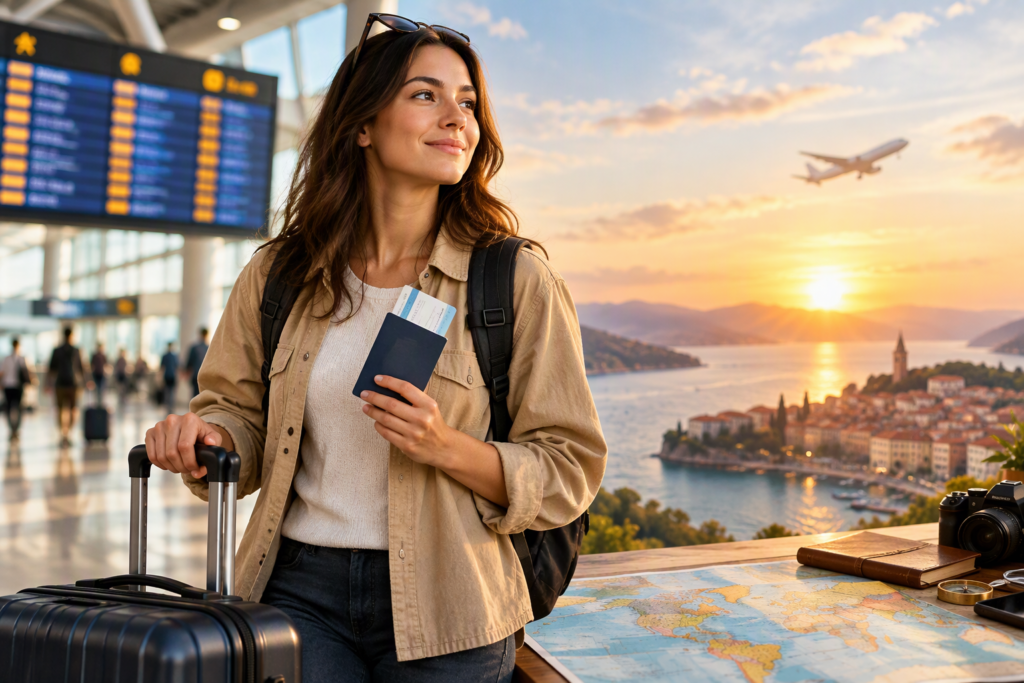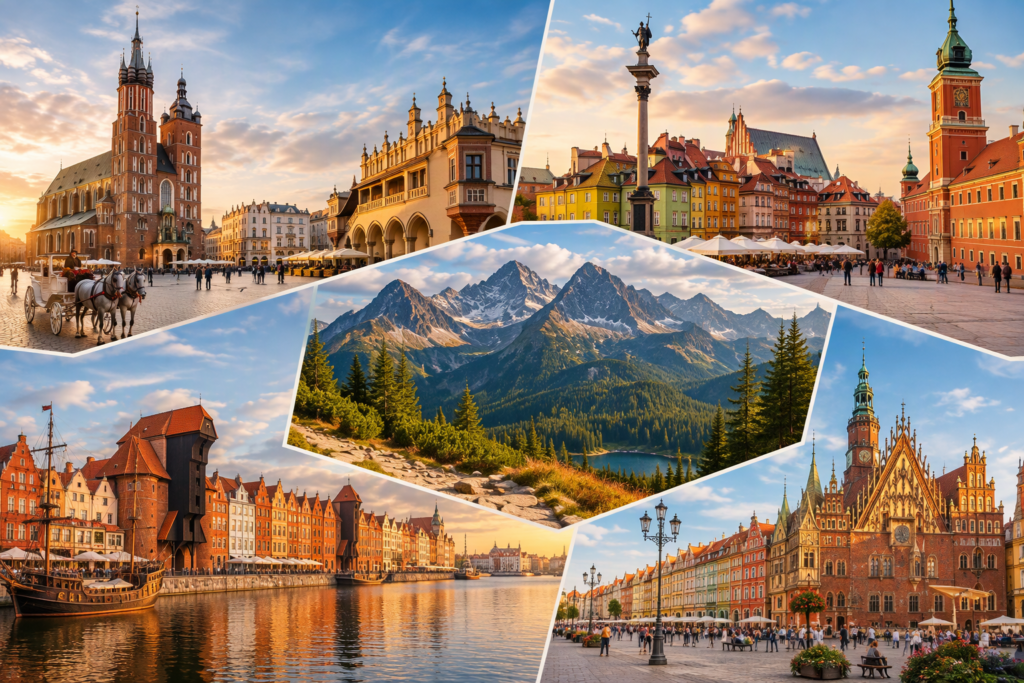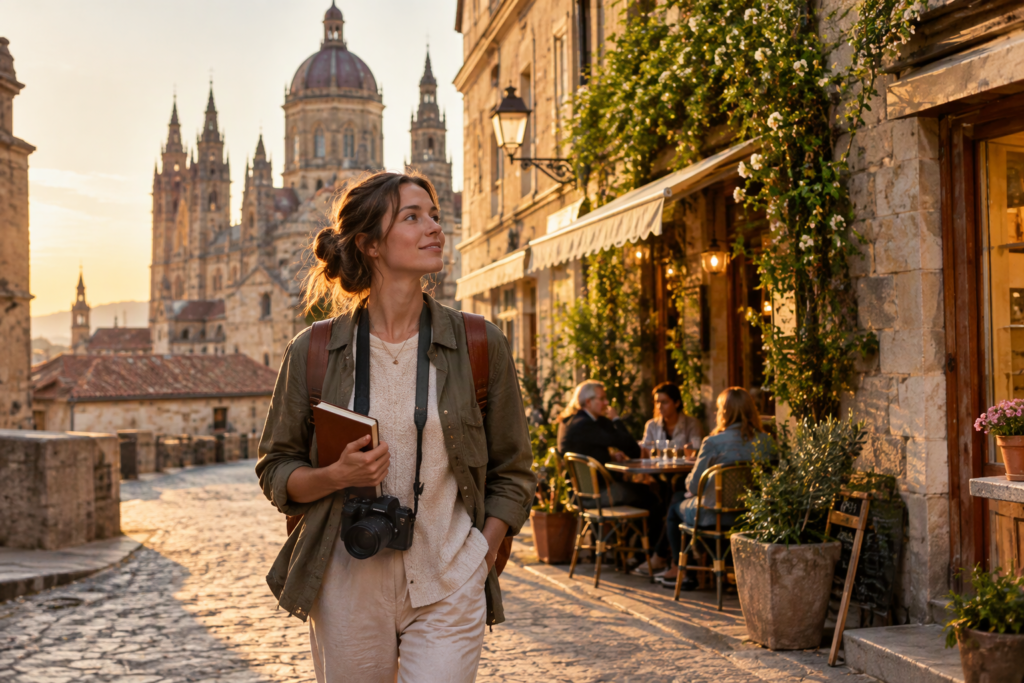
Travel is often described as a break from everyday life, but the best journeys do more than give us a few days away from home. They influence the way we think, help us understand different cultures, encourage creativity, and remind us to pay attention to ordinary moments.
That is why lifestyle and travel belong in the same conversation. Travel reflects the way we choose to live, while our lifestyle influences the places we visit, the experiences we look for, and the memories we bring home.
In this guide, you will find practical ideas for planning more meaningful trips, managing your budget, experiencing local culture, using travel as creative inspiration, and bringing the best parts of travel into everyday life.
Why Lifestyle and Travel Are Connected
Lifestyle is not only about fashion, routines, or where we live. It also includes our priorities, habits, interests, relationships, and the way we spend our limited time. Travel gives us an opportunity to examine those choices from a fresh perspective.
A new destination may show you a slower way of enjoying a meal, a stronger connection to public spaces, a different approach to work, or a culture that places more value on community. You do not have to copy another way of life completely. Sometimes it is enough to return home with one useful idea.
Travel can also reveal what you genuinely enjoy. Some people prefer busy cities and museums, while others feel happiest in nature, small towns, or quiet coastal areas. Understanding that preference makes future trips easier to plan and can help you design an everyday lifestyle that feels more like your own.
What Makes Travel Meaningful?
Meaningful travel is not measured by the number of countries visited or attractions photographed. It is about the quality of the experience and the connection you make with a place.
A meaningful trip might include learning a local tradition, talking with residents, visiting a family-owned business, walking without a strict schedule, or spending time in a place that helps you think clearly. It can happen during a long international journey or a weekend in a nearby town.
Before planning your next trip, ask yourself:
- What do I want to understand or experience?
- What pace will help me enjoy the destination?
- Which local places would I support?
- What memory would make the trip feel worthwhile?
These questions turn travel from a checklist into a more personal experience.
How to Plan a Better Trip
Good planning gives you structure without removing spontaneity. The goal is not to schedule every minute, but to make sure the most important parts of the trip are possible.
Choose a destination with purpose
Start with the experience you want rather than simply choosing a popular destination. You might want architecture, local food, nature, history, art, rest, or a chance to reconnect with someone. Once you know the purpose, it becomes easier to choose a place that matches it.
For regional inspiration, you can explore our guide on what makes Poland an interesting place to live and visit.
Create a flexible itinerary
Choose one or two main activities for each day and leave room for unexpected discoveries. A flexible plan is especially useful when you are visiting a city for the first time, because the places you enjoy most may not be the ones that appeared first in a search result.
Balance activity with rest
Overplanning can turn a holiday into another source of stress. Include slow mornings, comfortable meals, and time to sit in a park or café. Rest is not wasted travel time. It gives you the energy to notice where you are.
How to Travel on a Realistic Budget
A travel budget should support your experience, not make you feel restricted at every step. Begin by separating fixed costs from flexible costs.
- Fixed costs: transport, accommodation, travel insurance, visas, and major bookings.
- Flexible costs: food, local transport, attractions, shopping, and entertainment.
- Reserve money: an amount kept aside for delays, medical needs, price changes, or unexpected plans.
It is usually better to build a realistic budget than to create an unrealistically cheap one and spend the entire trip worrying about money. A simple daily allowance can help you make decisions without checking every small expense.
For broader financial planning ideas, read our guide to smart budgeting and the cost of living in Central Europe.
You can also save money by travelling outside peak periods, staying slightly outside the busiest tourist zones, using public transport, and choosing a few memorable experiences instead of paying for every available attraction.
How Travel Helps You Understand Different Cultures
Culture is found in more than famous buildings and museums. It appears in daily routines, food, language, family life, local celebrations, public spaces, and the way people interact.
The best way to experience culture is to remain curious and respectful. Learn a few basic words, read about local customs before arriving, follow rules around photography, and remember that visitors are guests even when a place is popular with tourists.
Try eating where local residents eat, visiting smaller cultural institutions, shopping from independent businesses, and spending time in residential areas without treating them like a backdrop. These choices often lead to more authentic experiences while supporting the people who make a destination what it is.
Travel, Photography and Creativity
Travel naturally encourages creativity because it changes your surroundings. New colors, sounds, textures, architecture, and conversations give your mind fresh material to work with.
You do not need expensive equipment to take meaningful travel photographs. Focus on light, composition, details, and stories. Photograph a market opening in the morning, a doorway with signs of age, a local meal, or the relationship between people and their surroundings.
A good creative habit is to keep a small travel journal. Write down one detail you noticed, one question you had, and one moment you want to remember. This can make the journey more personal and give you ideas long after you return home.
Photography should also be respectful. Ask before photographing people in close-up, follow restrictions in religious or cultural places, and avoid turning private moments into content without permission.
Why Slow Travel Creates Better Experiences
Slow travel means giving yourself enough time to experience a place instead of rushing between highlights. It does not always require a long holiday. Even a short trip can feel slower when you choose fewer activities and pay more attention to them.
Spending several days in one area allows you to learn its rhythm. You may recognize the same bakery, find a preferred walking route, or notice how the atmosphere changes during the day. These small details often become more memorable than a long list of attractions.
Slow travel can also reduce unnecessary transport, support local businesses, and make your trip less tiring. It is a useful choice for anyone who wants travel to feel restorative rather than exhausting.
How Travel Supports Personal Growth
Travel places you in situations where your usual routines may not work. You might need to navigate an unfamiliar transport system, communicate across a language barrier, change plans because of weather, or make a decision without your normal support network.
These experiences can build confidence and adaptability. They also teach humility. You learn that your own way of doing something is not the only way, and that being willing to ask for help is a strength rather than a weakness.
Travel can support personal growth in other ways too:
- It encourages curiosity and open-mindedness.
- It helps you become more comfortable with uncertainty.
- It can improve your communication skills.
- It gives you space to reflect on your goals.
- It introduces you to people with different experiences and viewpoints.
Growth does not have to look dramatic. Sometimes it means returning home with a clearer idea of what matters to you.
How to Bring Travel Inspiration Into Everyday Life
The value of travel should not disappear when you unpack your suitcase. You can bring parts of the experience into ordinary routines.
- Cook a meal inspired by a place you visited.
- Explore a neighborhood or town near your home.
- Learn a few phrases in another language.
- Visit local museums, markets, parks, and cultural events.
- Create a photo album or journal instead of leaving memories on your phone.
- Make more time for walking, conversation, and unhurried meals.
You can also use travel to rethink your schedule. If you enjoyed slower mornings abroad, perhaps your routine needs more breathing room. If you felt energized by meeting new people, look for local communities or activities that create similar opportunities.
Frequently Asked Questions About Lifestyle and Travel
What does lifestyle and travel mean?
Lifestyle and travel describes the connection between the way we live and the way we explore places. It includes travel planning, culture, creativity, wellbeing, personal growth, and the habits we bring home from our journeys.
How can travel improve your lifestyle?
Travel can introduce new ideas, encourage healthy breaks from routine, improve confidence, and help you understand what experiences are genuinely important to you.
What is meaningful travel?
Meaningful travel focuses on connection, learning, respect, and personal experience rather than simply visiting as many attractions as possible.
How can I travel on a small budget?
Choose destinations and travel dates carefully, compare transport and accommodation options, use local services, set a daily spending limit, and keep a separate reserve for unexpected costs.
Why is slow travel becoming more popular?
Slow travel helps people avoid rushed itineraries, experience local life more deeply, reduce travel stress, and spend more time supporting local businesses.
How does travel support personal growth?
Travel can improve adaptability, confidence, communication, curiosity, and independence because it places you in new environments and encourages you to respond to unfamiliar situations.
Final Thoughts
Lifestyle and travel are not separate parts of life. The places we visit influence our ideas, habits, creativity, and understanding of the world. At the same time, our personal priorities shape the kind of journeys we choose.
You do not need an expensive holiday or a long list of destinations to travel meaningfully. Start with curiosity, plan within your means, respect local communities, and give yourself enough time to notice the experience.
Then bring one useful lesson home. A better routine, a new creative habit, a slower morning, or a stronger interest in the world can make everyday life feel more open and rewarding.
What kind of travel experience has influenced your lifestyle the most? Share your thoughts in the comments or explore more guides in our Lifestyle & Travel category.