Poland is a country where history, modern development, and everyday life come together in distinctive ways. From lively cities such as Warsaw, Kraków, Wrocław, and Gdańsk to peaceful rural communities, life in Poland offers opportunities for workers, students, families, and travelers.
Working in Poland
Poland has a diverse economy with opportunities in information technology, finance, manufacturing, logistics, healthcare, education, hospitality, and customer service. Warsaw is the country’s main business center, while Kraków, Wrocław, Poznań, and Gdańsk also attract international companies and skilled professionals.
Knowledge of Polish can be valuable in daily life and in many workplaces, although English is widely used in international companies and among younger people. Before accepting a job, it is important to review the employment contract, salary, working hours, benefits, tax arrangements, and residence requirements.
Living Costs in Poland
Living costs depend greatly on the city and lifestyle. Warsaw is generally more expensive than many other Polish cities, especially for rent. Kraków, Wrocław, and Gdańsk can also have higher housing costs, while smaller cities may offer more affordable options.
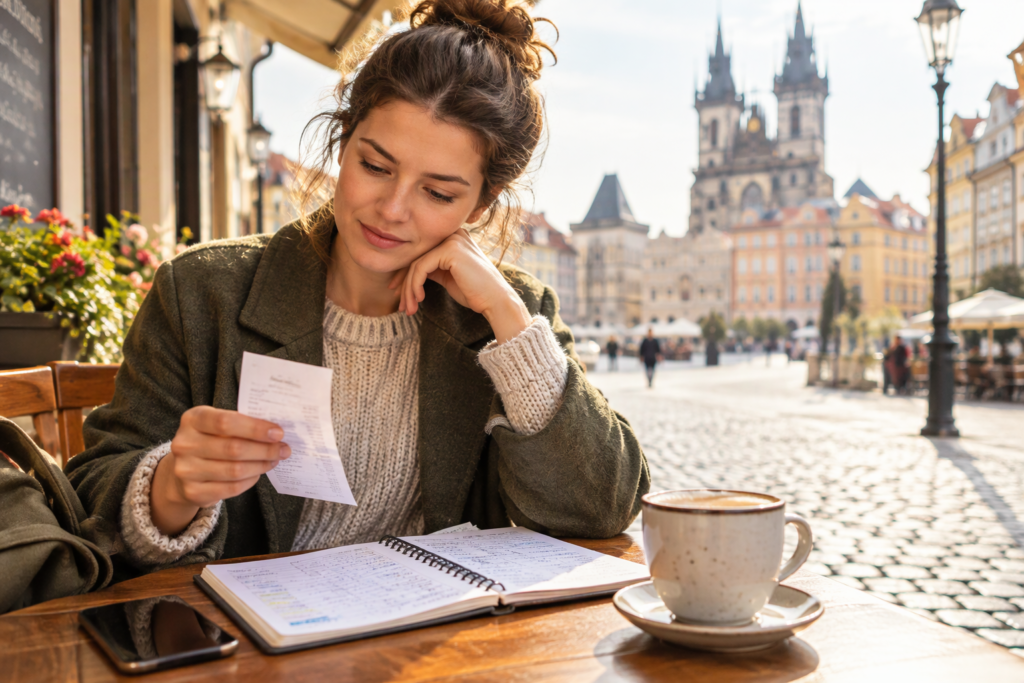
Typical expenses include accommodation, utilities, groceries, public transportation, healthcare, and leisure. Preparing a monthly budget before moving can help you compare rent, transportation, food, and other regular costs with your expected income.
Culture and Daily Life
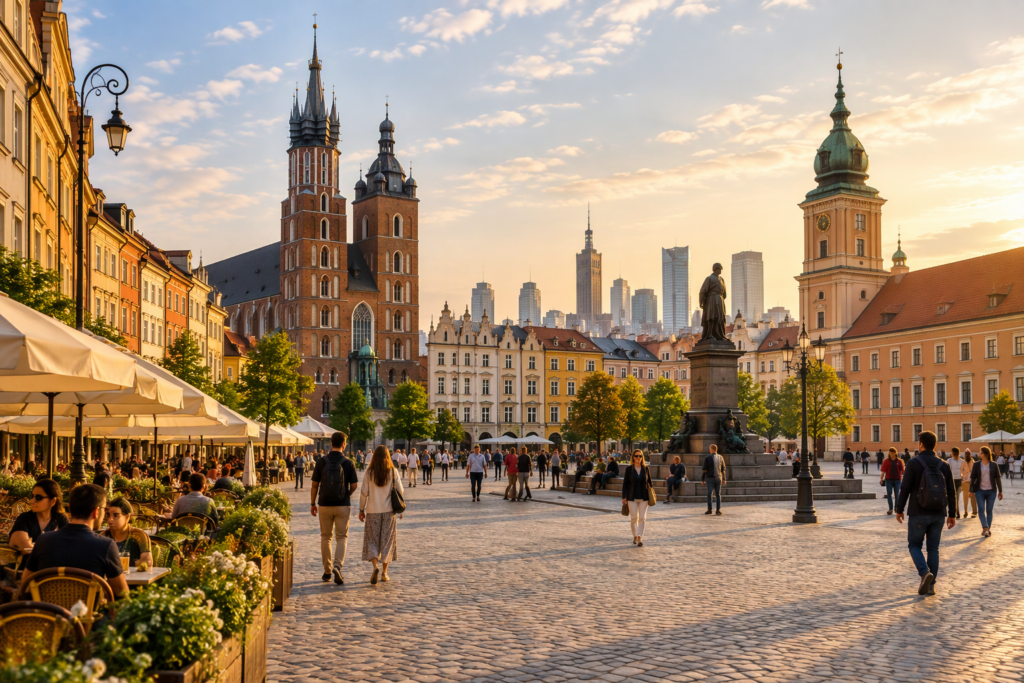
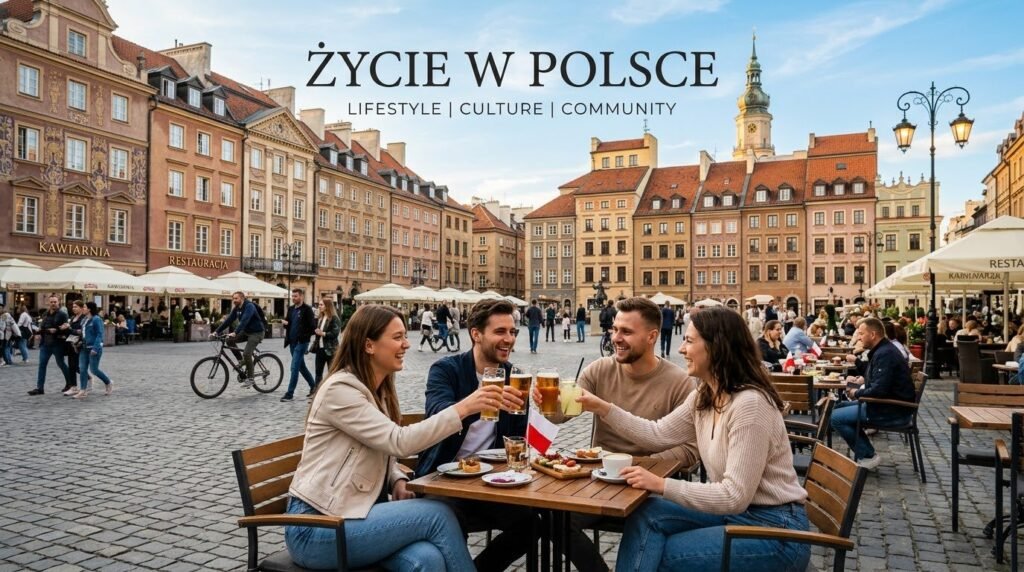
Polish culture values family, tradition, hospitality, and community. Poland has a rich heritage of music, literature, art, architecture, and food. Visitors and newcomers can experience historic old towns, museums, local festivals, traditional dishes, and beautiful natural areas.
Public transportation is well developed in many cities, and trains connect major destinations across the country. Learning a few Polish phrases, respecting local customs, and taking an interest in national holidays and traditions can make it easier to build positive relationships.
Challenges of Living in Poland
Moving to a new country can bring challenges. The Polish language may take time to learn, especially when dealing with official documents, healthcare, housing, or government services. Finding suitable accommodation can also be difficult in popular cities, and rental prices may change depending on location and demand.
Cold winters, administrative procedures, cultural differences, and adapting to a new social environment may require patience. New residents can make the transition easier by keeping important documents organized, learning about local regulations, joining community groups, and asking trusted local organizations for guidance.
Is Poland a Good Place to Live?
For many people, Poland offers a balance of employment opportunities, cultural experiences, modern services, and access to nature. The best place to live depends on your career, budget, preferred lifestyle, and comfort with the local language.
With realistic planning and an open mind, life in Poland can be rewarding. Researching the city, understanding living costs, preparing the necessary documents, and learning about Polish culture are useful steps for anyone considering living, working, or studying there.